2025 Guide: How to Choose the Best LED Spotlights for Your Home
In the quest for effective home lighting solutions, LED spotlights have emerged as a popular choice among homeowners and designers alike. Their energy efficiency, longevity, and versatility make them ideal for various applications, whether you are looking to highlight art pieces, create ambiance in your living spaces, or simply improve visibility in functional areas. As we look towards 2025, understanding how to select the right LED spotlights for your home becomes crucial.
In this guide, we will explore the essential factors to consider when choosing LED spotlights that best suit your needs and preferences. From understanding lumens and color temperatures to the importance of beam angles and installation options, this article aims to equip you with the knowledge necessary to make informed decisions. Furthermore, we will delve into how different lighting designs can enhance your home’s aesthetic and functionality, ensuring you find the perfect LED spotlights that elevate your space while being environmentally friendly and cost-effective. Whether you're renovating or simply upgrading your lighting, this guide will serve as an indispensable resource for your spotlight journey.
Understanding LED Spotlights: Key Features and Benefits
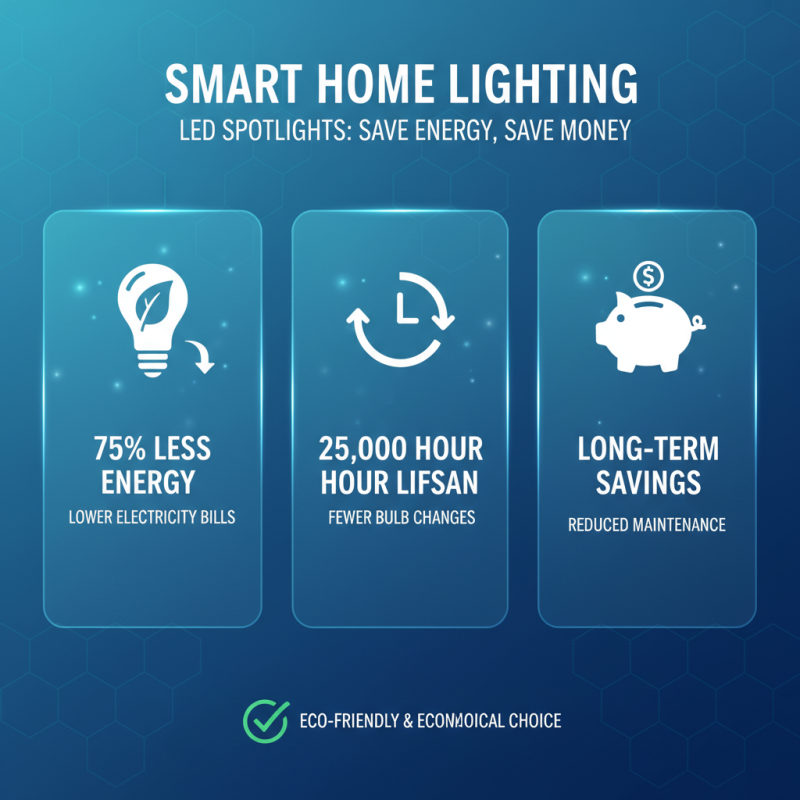
When choosing LED spotlights for your home, understanding their key features and benefits is essential. LED spotlights are known for their energy efficiency, longevity, and versatility. According to a report from the U.S. Department of Energy, switching to LED lighting can save homeowners up to 75% in energy costs compared to traditional incandescent bulbs. This significant reduction not only benefits your wallet but also contributes to a more sustainable environment.
One essential feature to consider is the color temperature of the LED spotlight. Measured in Kelvin (K), this determines the warmth or coolness of the light. A range of 2700K to 3000K provides a warm, inviting glow, ideal for living spaces, while 4000K to 5000K offers a cooler, brighter light suitable for task-oriented areas like kitchens or offices. Additionally, the beam angle is crucial; wider angles (60 degrees or more) cover more area but may reduce intensity, while narrow angles (less than 30 degrees) deliver focused lighting perfect for highlighting artwork or architectural features.
Tips: When selecting LED spotlights, assess the lumen output to ensure adequate brightness for your space. A common misconception is that wattage equates to brightness; instead, focus on lumens—800 lumens is roughly equivalent to a traditional 60W bulb. Furthermore, consider fixtures with adjustable or dimmable features to customize the ambiance and energy usage according to your needs.
2025 Guide: LED Spotlight Features Comparison
This chart compares key features of LED spotlights, providing insights into brightness, lifespan, energy efficiency, color temperature, and beam angle, all of which are crucial factors to consider when choosing the best LED spotlights for your home in 2025.
Types of LED Spotlights: Options for Different Lighting Needs
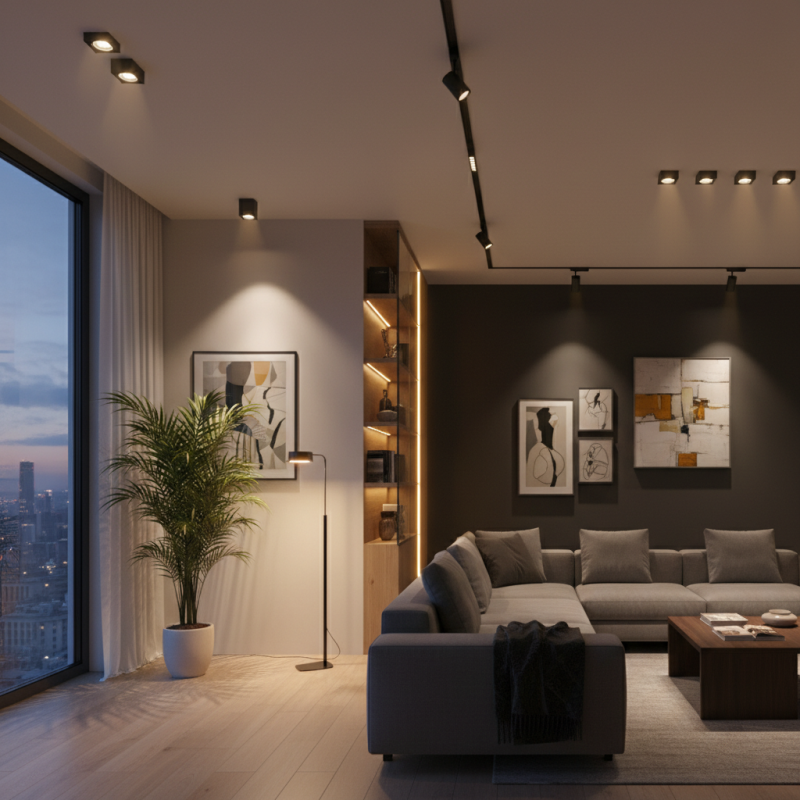
When choosing the ideal LED spotlights for your home, it’s essential to consider the variety of options available, each suited to different lighting needs. The main types of LED spotlights include recessed lighting, track lights, and adjustable spotlights. Recessed lighting is great for creating a sleek, modern look while providing ample illumination in areas like kitchens and living rooms. Track lights offer versatility, allowing you to direct the light where you need it most, making them perfect for highlighting artwork or architectural features. Adjustable spotlights are excellent for focused lighting, ideal for outdoor spaces or accentuating specific areas within a room.
Tips: When selecting LED spotlights, consider the color temperature of the bulbs. Warmer tones (about 2700K) create a cozy atmosphere, suitable for living areas, while cooler tones (around 4000K-5000K) are more energizing and work well in spaces like work areas or kitchens. Additionally, pay attention to the beam angle; a narrow beam (15-30 degrees) is perfect for highlighting specific objects, whereas a wider beam (over 40 degrees) will illuminate larger areas, such as hallways or open spaces.
Be sure to assess the brightness measured in lumens. For general lighting, a higher lumen output is required, while accent lighting may need fewer lumens for a subtle effect. Thinking about the placement and purpose of each spotlight can significantly enhance your home’s overall ambiance and functionality.
2025 Guide: How to Choose the Best LED Spotlights for Your Home
| Type of LED Spotlight |
Wattage |
Lumens |
Color Temperature (Kelvin) |
Beam Angle |
Best Use Case |
| Directional Spotlights |
10W |
800 Lumens |
3000K |
35° |
Highlighting Artwork |
| Floodlights |
20W |
1600 Lumens |
4000K |
120° |
Outdoor Lighting |
| Mini Spotlights |
5W |
400 Lumens |
2700K |
25° |
Accent Lighting |
| Adjustable Spotlights |
15W |
1200 Lumens |
3000K |
40° |
Task Lighting |
| Smart LED Spotlights |
12W |
1000 Lumens |
RGB & 2700K-6500K |
Adjustable |
Home Automation |
Factors to Consider When Choosing LED Spotlights for Your Home
When selecting LED spotlights for your home, there are several key factors to consider to ensure you make the best choice. Firstly, the brightness of the spotlight, measured in lumens, is crucial. Depending on the space you’re lighting, you may require higher lumens for areas like kitchens or reading nooks, while softer lighting might be suitable for bedrooms or living areas. It’s essential to evaluate the specific needs of each room to achieve the desired ambiance.
Another important aspect is the color temperature of the LED spotlights. This is measured in Kelvin (K) and can significantly impact the mood of your space. Warm white (around 2700K to 3000K) is often preferred for creating a cozy atmosphere, while cool white (4000K to 5000K) is ideal for task-oriented areas, providing a brighter light that can enhance focus. Additionally, consider the beam angle of the spotlights, as this determines how wide or narrow the light distribution will be, affecting how effectively you illuminate certain areas or highlight artwork and architectural features.
Installation Tips and Best Practices for LED Spotlights
When considering the installation of LED spotlights in your home, it's essential to focus on a few best practices to ensure optimal performance and longevity.
First, choosing the right wattage is crucial. According to industry studies, LED spotlights typically require about 75-80% less energy compared to traditional incandescent bulbs, which allows homeowners to reduce their energy bills significantly.
For most residential settings, a spotlight with at least 700 to 800 lumens can adequately illuminate a space without overpowering it. This brightness, combined with a color temperature of around 3000K to 4000K, creates a warm yet vibrant atmosphere suitable for various rooms.
Additionally, the placement of LED spotlights plays a critical role in achieving efficient illumination. Research illustrates that strategic positioning can enhance the aesthetic appeal of a room while also maximizing light distribution. For instance, installing lights at a height of 8 to 10 feet can help reduce harsh shadows and provide a more even light spread.
It's beneficial to direct spotlights toward key design features or areas needing focus, such as artwork or specific furniture arrangements. Ensuring the fixtures are also installed at the right angle can enhance their effectiveness and create an inviting ambiance. Proper installation and maintenance, along with adhering to manufacturer guidelines, can extend the lifespan of your LED spotlights, which can exceed 25,000 hours according to various industry reports.
Energy Efficiency and Cost Savings with LED Lighting Solutions
When choosing LED spotlights for your home, energy efficiency and cost savings are paramount considerations. LED lighting solutions consume significantly less electricity compared to traditional incandescent or halogen bulbs, allowing you to illuminate your living spaces while keeping energy bills in check. An LED spotlight uses about 75% less energy, and with a lifespan that can extend up to 25,000 hours, the savings quickly add up. This means fewer bulb replacements and lower maintenance costs over time, making LEDs not just an environmentally friendly choice but a financially smart one as well.
Another aspect to consider is the effectiveness of LED spotlights in enhancing the ambiance of your home. They provide bright, targeted illumination, which can highlight architectural features, artwork, or landscaping. By opting for energy-efficient LED options, you not only reduce your carbon footprint but also contribute to a more sustainable future. Additionally, many utility companies offer incentives for households that switch to LED lighting, further augmenting potential savings. Emphasizing both energy efficiency and cost-effectiveness can guide you toward a more enlightened choice when upgrading your home lighting.