Why You Should Choose Solar Street Lights for Sustainable Urban Lighting
As urban areas continue to grow, the need for effective and sustainable lighting solutions becomes increasingly critical. Among the myriad of options available, Solar Street Lights stand out as a beacon of hope for cities striving to reduce their carbon footprint and promote eco-friendly practices. These innovative lighting solutions harness the power of the sun, providing a renewable source of energy that not only illuminates streets but also fosters a cleaner and greener environment.
With the global emphasis on sustainability, transitioning to Solar Street Lights presents a compelling case for municipalities. Unlike traditional street lighting systems that rely heavily on electricity from fossil fuels, solar-powered lights operate independently, reducing dependence on non-renewable energy sources. Moreover, they require minimal maintenance and installation costs, making them an economically viable alternative for urban planners. This shift not only benefits the environment but also enhances public safety and improves the quality of life for residents.
In conclusion, the advantages of Solar Street Lights are undeniable. They represent a forward-thinking approach to urban lighting that prioritizes sustainability while addressing the modern world's challenges. By investing in solar technology, cities can illuminate their streets responsibly, making strides toward a more sustainable future.
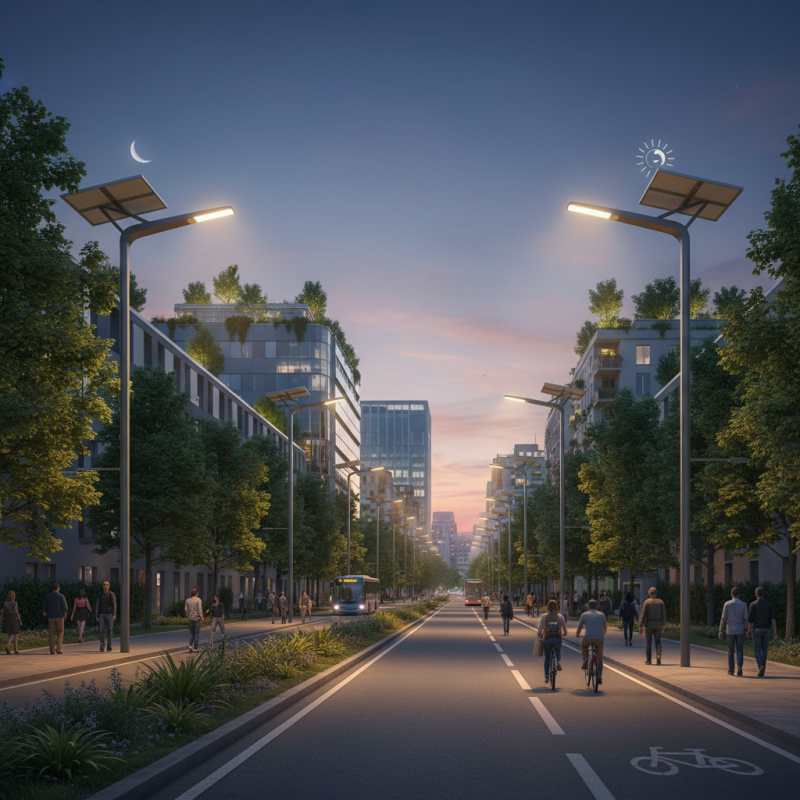
Advantages of Solar Street Lights for Urban Areas
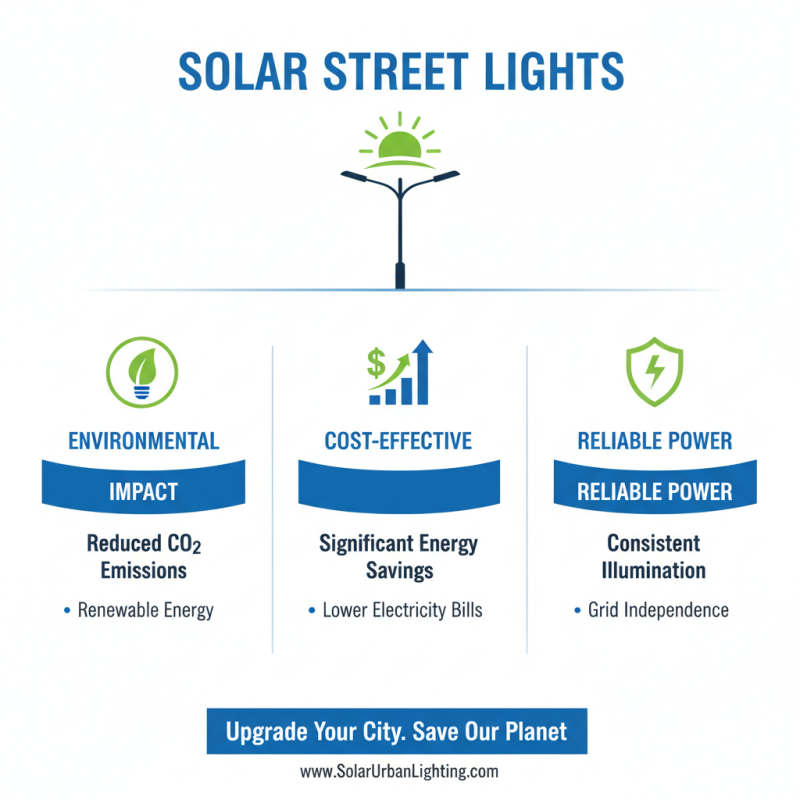
Solar street lights are becoming increasingly popular in urban areas, primarily due to their numerous advantages over traditional lighting systems. According to a report from the International Solar Alliance, solar street lights can reduce energy costs by up to 60%, making them a cost-effective solution for cities facing budget constraints. Additionally, these lights harness solar energy, which not only minimizes carbon footprints but also enhances the sustainability of urban infrastructure.
Another significant benefit of solar street lights is their low maintenance requirements. A study by Market Research Future indicates that solar street lights have an operational lifespan of about 25 years with minimal upkeep. This durability translates to substantial savings for municipalities, allowing for the reallocation of resources towards other pressing urban development projects. Furthermore, as urban populations continue to grow, the incorporation of solar lights can greatly enhance public safety by providing reliable illumination in community spaces without adding to grid demand.
Advantages of Solar Street Lights for Urban Areas
Environmental Benefits of Solar Lighting Solutions
Solar lighting solutions offer numerous environmental benefits that make them an ideal choice for sustainable urban lighting. Firstly, solar street lights harness energy directly from the sun, reducing reliance on fossil fuels and decreasing carbon emissions. Unlike traditional street lights that draw energy from the grid, solar-powered alternatives eliminate the negative impact associated with electricity production, contributing to a cleaner atmosphere. The use of renewable energy sources not only supports global efforts to combat climate change but also promotes energy independence within communities.
Moreover, solar street lights can minimize light pollution, a significant issue in urban areas. By utilizing advanced technologies such as LED lighting and smart sensors, solar lights can be designed to provide focused illumination, reducing excess light that spills into residential areas. This feature enhances night-time visibility while protecting nocturnal wildlife, promoting biodiversity. In addition, solar street lights require minimal maintenance and have a longer lifespan than conventional options, further reducing waste and resource consumption over time. These benefits underscore the importance of adopting solar lighting solutions for a more sustainable urban environment.
Cost-Effectiveness and Economic Impact of Solar Street Lights
Solar street lights offer a cost-effective solution for urban lighting while minimizing environmental impact. By harnessing renewable energy from the sun, these systems significantly reduce electricity costs associated with traditional street lighting. In areas where power supply can be inconsistent or unreliable, solar street lights provide a dependable alternative, allowing municipalities to allocate funds more effectively towards other critical infrastructure projects.
Tips: When considering the installation of solar street lights, assess your city’s solar potential and ensure that the location receives adequate sunlight throughout the year. Additionally, compare maintenance costs and lifespan between different solar technologies to choose the most efficient option for your needs.
Moreover, the economic impact of solar street lights extends beyond initial savings. The promotion of these sustainable solutions creates job opportunities in installation and maintenance, stimulating local economies. Implementing solar street lights can also enhance public safety and increase urban space usage, further driving community development and economic resilience.
Technological Innovations in Solar Street Lighting
Technological innovations have significantly transformed solar street lighting, making it an increasingly viable option for urban environments. Modern solar street lights incorporate high-efficiency solar panels, advanced LED technology, and smart control systems. These enhancements allow for greater energy efficiency and longevity, ensuring that street lights can operate effectively even during extended periods of overcast weather. Additionally, the integration of intelligent sensors and IoT (Internet of Things) connectivity enables real-time monitoring and adaptive lighting. This not only reduces energy consumption but also enhances public safety by allowing lights to adjust automatically in response to pedestrian movement.
Furthermore, breakthroughs in battery technology, such as lithium-ion and lithium-iron phosphate batteries, have improved storage capacity and reduced charging times. These innovations support longer operational life cycles, minimizing maintenance requirements and costs. Furthermore, sustainable materials and designs are increasingly being utilized, reinforcing the commitment to eco-friendliness in urban infrastructure. By harnessing these technological advancements, cities can promote energy independence, enhance urban aesthetics, and provide safer environments, ultimately paving the way for a greener future.
Challenges and Solutions in Implementing Solar Street Lights
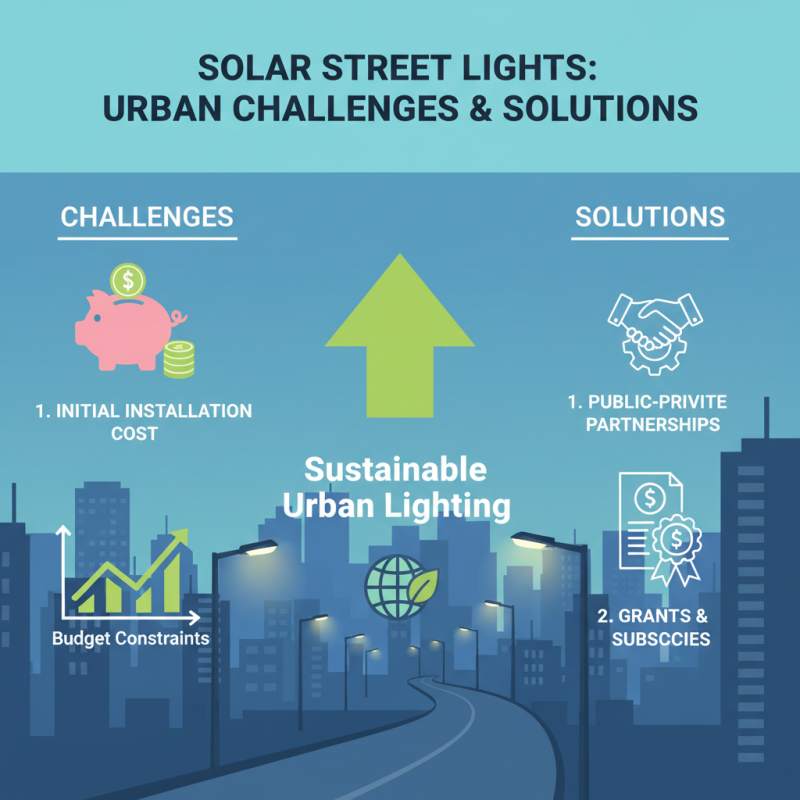
Implementing solar street lights in urban areas presents various challenges that cities must navigate to achieve sustainable lighting solutions. One significant challenge is the initial cost of installation. Although solar technology has become more affordable, budget constraints in many municipalities can hinder widespread adoption. To address this issue, governments can explore public-private partnerships and seek grants to subsidize the upfront costs, making it easier to integrate solar lighting into their infrastructure.
Another challenge involves the performance of solar street lights in areas with inconsistent sunlight, especially during winter months or in densely built urban environments. To mitigate this, cities can invest in high-efficiency solar panels and advanced energy storage systems that ensure reliable performance year-round. Additionally, incorporating smart technology can allow for adaptive lighting solutions that adjust brightness based on surrounding activity, optimizing energy use and enhancing public safety even in low-light conditions. By tackling these challenges with innovative solutions, urban areas can effectively implement solar street lights, paving the way for a greener future.