What is Led Outdoor Lighting and How to Choose the Best?
LED outdoor lighting is becoming an essential choice for homeowners and businesses alike. Its energy efficiency, durability, and versatility make it highly desirable. The ability to illuminate outdoor spaces effectively can transform gardens, pathways, and patios. However, choosing the right LED outdoor lighting can be daunting due to the multitude of options available.
When selecting LED outdoor lighting, it’s important to consider factors like brightness, color temperature, and design. Not all lights are created equal; some may fall short in performance or aesthetics. It’s essential to assess your specific needs and the environment where the lights will be installed. This ensures a balance between functionality and visual appeal.
Moreover, many people overlook the importance of proper placement and installation. Poorly positioned lights can create shadows or uneven lighting, diminishing their effectiveness. Taking the time to plan your lighting scheme thoughtfully can enhance safety and ambiance. Investing in LED outdoor lighting not only elevates the aesthetics of your space but also provides a long-lasting solution for outdoor illumination.
What is LED Outdoor Lighting and Its Benefits
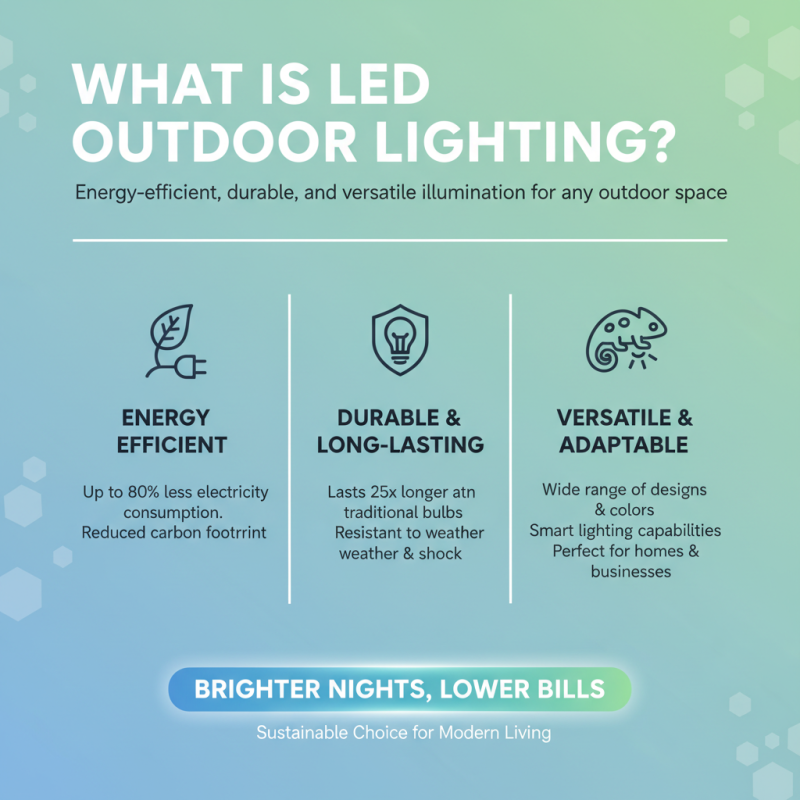
LED outdoor lighting has transformed how we illuminate our spaces. It is energy-efficient, durable, and versatile. With advancements in technology, LED lights now offer a wide range of options for different outdoor settings. They provide bright illumination while consuming less electricity. This makes them a sustainable choice for homeowners and businesses alike.
The benefits of LED outdoor lighting are numerous. First, these lights have a longer lifespan compared to traditional options. They withstand harsh weather conditions, making them reliable for outdoor use. Additionally, LED lights are available in various styles. This allows for creative designs that enhance the aesthetic appeal of any space. The versatility of LED lighting can be seen in applications, like pathway lighting and security purposes.
Choosing the best LED outdoor lighting can be challenging. Consider factors like brightness, color temperature, and design. These aspects affect both functionality and visual appeal. It is essential to reflect on your specific needs. Take time to explore different options and imagine how they would fit into your space. A thoughtful selection process can lead to an outdoor area that is both attractive and practical.
Key Features of LED Outdoor Lighting
When considering LED outdoor lighting, key features play a crucial role in making the right choice. One standout quality is energy efficiency. LEDs consume significantly less power than traditional bulbs. This efficiency translates into lower electricity bills over time, a factor that benefits both residential and commercial spaces. Understanding lumens is also essential. More lumens mean brighter light, ideal for security and highlighting landscapes.
Durability is another critical aspect. LED fixtures are typically resistant to weather conditions. They operate well in both hot and cold environments. This resilience can reduce maintenance costs. However, not all outdoor LEDs are created equally. It’s important to check the IP rating that indicates water-resistance. A higher rating often suggests better protection against rain or snow.
Color temperature is worth noting too. Warmer lights offer a cozy atmosphere, while cooler lights enhance visibility. Choosing the right temperature might depend on the intended use. A well-lit patio may need a softer touch, while pathways or driveways might benefit from brighter options. Balancing these features ensures functionality while adding aesthetic appeal. Finding the perfect LED outdoor lighting requires careful consideration and a bit of trial and error.
Factors to Consider When Choosing LED Outdoor Lights
Choosing the right LED outdoor lighting can greatly impact your space. Several key factors need consideration. The brightness of the lights is essential. Measured in lumens, a common recommendation for outdoor areas is 100 to 200 lumens per square foot. This range ensures safety and ambiance.
Color temperature plays a significant role as well. Warm white light (2700K to 3000K) creates a welcoming feel. Conversely, cooler temperatures (4000K to 6000K) provide a more modern and vibrant atmosphere. Be conscious of the light's purpose. Security lighting requires higher brightness compared to ambient lighting. The location of fixtures matters too. Lights near walkways should illuminate paths effectively while being glare-free.
Energy efficiency is an important aspect of LED lights. They consume up to 80% less energy than traditional bulbs. This translates to lower electricity bills and a reduced carbon footprint. Look for fixtures with a high IP rating for durability against weather. Regular maintenance is still essential. Over time, dust can accumulate, affecting performance. Choosing based on these factors will help create a safe and inviting outdoor environment.
LED Outdoor Lighting: Energy Efficiency Comparison
Types of LED Outdoor Lighting Fixtures Available
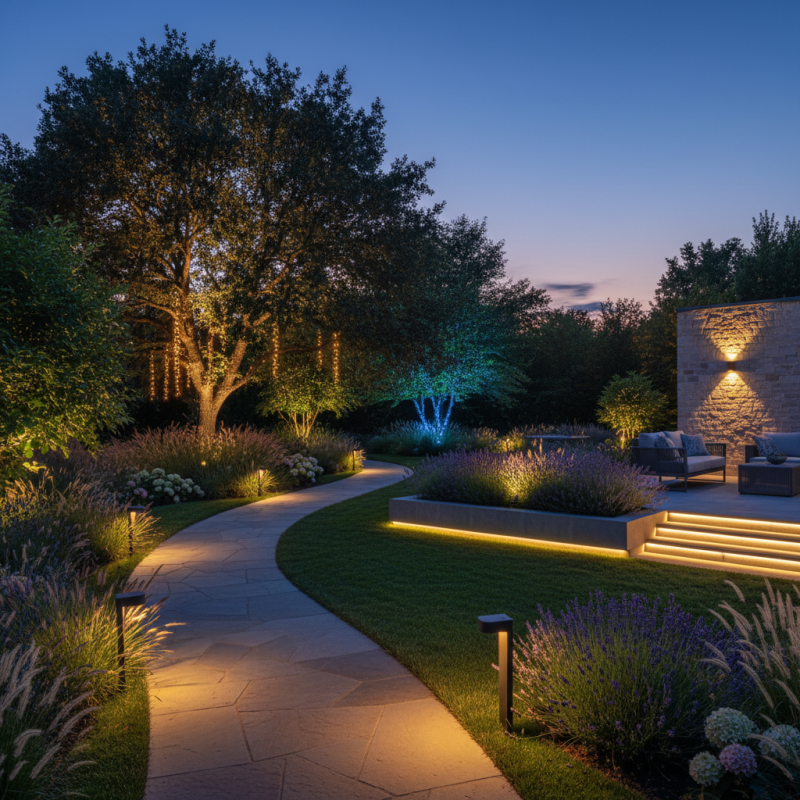
When considering outdoor areas, LED lighting fixtures come in various styles. Pathway lights are popular. They illuminate walkways, enhancing safety and beauty. These fixtures are often low to the ground, providing soft light.
Another option is floodlights. They cast a wide beam, making them ideal for larger spaces. You can use them for security or to highlight outdoor features. They come in different wattages, allowing you to adjust brightness as needed.
Wall-mounted sconces are also effective. They add character to patios or decks. These fixtures can create a warm ambiance, making them suitable for gatherings. However, placement is crucial. Poor positioning can lead to shadows or glare.
Ultimately, the choice of fixtures depends on your needs. Consider your space, mood, and functionality. Each type offers unique benefits and challenges. Take time to explore options.
Tips for Maintaining and Maximizing LED Outdoor Lighting Efficiency
LED outdoor lighting offers vibrant illumination and energy efficiency, but maintaining that efficiency can be challenging. Regularly cleaning fixtures ensures optimal performance. Dust and debris can reduce brightness by up to 30%. Location matters too; fixtures should be placed away from trees and other obstacles to minimize interference.
To maximize efficiency, using smart controls can be beneficial. Smart systems allow users to schedule lighting, reducing unnecessary energy waste. According to a report by the U.S. Department of Energy, LED lighting can save up to 75% more energy than traditional lighting. These systems also enable dimming features, which can cut energy use further, especially in areas with fluctuating light needs.
Consider the environment of the installation. Harsh weather conditions may affect the longevity of light fixtures. For instance, UV exposure can degrade materials quickly. Regular inspections and replacements of components can prevent larger issues. It is essential to reflect on these maintenance practices, as neglecting them can lead to increased costs and reduced lighting effectiveness over time.