Top 10 LED System Suppliers in China for Global Buyers
Choosing a Led System supplier is no longer just a price exercise. Buyers must compare optical performance, driver quality, thermal design, controls, and long-term support. The U.S. Department of Energy reports that residential LEDs use at least 75% less energy and can last up to 25 times longer than incandescent lighting. That potential depends on the complete product, not the chip alone. A poorly matched driver or inadequate heat management can undermine performance.
China has a broad lighting supply base, from component makers to firms delivering finished systems. This guide introduces ten suppliers for global buyers, while treating the list as a practical starting point—not a universal ranking. Company capabilities and export experience can change, and a polished catalogue is not proof of dependable production. Not every supplier excels. Ask for current datasheets, sample test results, warranty terms, and clear answers about customization.
Pay attention to details. Compare measured efficacy, color consistency, dimming behavior, and stated operating conditions. Request relevant safety and performance documentation for the destination market, then verify its scope and validity with the issuing organization. For larger projects, inspect sample units and clarify how production batches are controlled. These steps take time. They can prevent costly mismatches between a showroom sample and delivered goods. The comparison is useful, though never perfect; the best partner depends on application, budget, and service expectations.
What LED Systems Include and How China's Supplier Market Is Structured
Top 10 LED System Suppliers in China for Global Buyers
What LED Systems Include and How China’s Supplier Market Is Structured
An LED system is more than a lamp or fixture. It can include LED chips and packages, a driver, optics, heat management, controls, and the finished luminaire. A warehouse high-bay, for example, needs suitable beam angles and heat dissipation, not just a bright light source. Small parts matter. Grand View Research’s LED Lighting Market Size, Share & Trends Analysis Report (2024) valued the global market at USD 75.3 billion in 2023 and projected 10.8% annual growth from 2024 to 2030. That scale helps explain why suppliers often specialize.
China’s supplier market includes component makers, fixture manufacturers, OEM and ODM factories, and system integrators. Some firms manage several stages; others focus on drivers, optics, or enclosure production. The division is useful, though not perfectly neat. Buyers comparing suppliers should check who owns design decisions, testing, and final assembly. Ask for photometric files, driver specifications, and clear warranty terms. For long projects, confirm that sample components match production batches.
Reports describe market size, not whether a particular system will perform well on site. Request test records and inspect thermal details, wiring, and control compatibility. A polished sample is not the whole story. Suppliers’ capabilities can vary by product line, so verify each configuration rather than relying on broad factory claims.
What a Complete LED System Includes
This functional map distinguishes common core elements from controls, which may be integrated, supplied separately, or omitted. China’s supplier market spans specialists in light engines, drivers, optics, thermal and mechanical parts, and controls, alongside suppliers that integrate several functions. This is a system-architecture overview, not a supplier ranking or market-share estimate.
Criteria for Evaluating Chinese LED System Suppliers
A reliable LED system supplier should be evaluated against the buyer’s actual installation, not a catalogue headline. Check whether the proposed output, beam angle, color temperature, and dimming method suit the space. Ask for photometric files and test reports, then confirm they match the quoted model. Numbers can mislead. A sample operating for several hours can reveal uneven color, flicker, or excess heat that a product sheet may not show.
Look closely at thermal design, driver specifications, and component traceability. Request written details on quality checks, aging tests, warranty coverage, and replacement-part availability. For larger orders, a pilot batch helps compare samples with production units. Keep records of agreed tolerances. Supplier communication matters too: clear drawings, stable revision control, and prompt answers reduce avoidable delays. Request documentation relevant to the destination market, and have qualified staff review it. A polished factory video is useful, but it cannot replace verifiable evidence. I would also ask how defects are logged and corrected; this step is often overlooked, even by experienced buyers.
Profiles of Ten LED System Suppliers Serving Global Buyers
Profiles of Ten LED System Suppliers Serving Global Buyers
These ten profiles describe capability patterns, not a ranked list of named companies. One supplier type specializes in high-bay systems for warehouses, where beam angle and glare matter. Another builds roadway luminaires, with attention to optics, weather sealing, and service access. A third focuses on commercial linear lighting for offices and retail. Architectural suppliers shape light for façades. Horticultural specialists tune spectrum and intensity. Sports-lighting makers manage high mounting heights and spill light. Display suppliers prioritize color consistency. Controls-focused firms connect sensors, dimming, and schedules. Custom-system providers adapt housings and modules to project needs. A final group integrates drivers, thermal design, and optics into complete systems.
Fit matters.
Energy performance deserves careful checking. The International Energy Agency estimates lighting uses about 15% of global electricity. The U.S. Department of Energy reports that LED products use at least 75% less energy than incandescent lighting and can last up to 25 times longer. These are broad benchmarks, not guarantees for every system. Buyers should compare measured efficacy, color consistency, thermal performance, warranty terms, and replacement-part availability. Ask for test reports tied to the exact configuration.
A catalogue can look convincing. Field performance is messier. Request sample units, inspect driver details, and test dimming with the intended controls. Also confirm packaging, lead times, and technical support across time zones. Smaller suppliers may offer flexible customization, but documentation can be uneven; that deserves honest scrutiny. A low unit price means little if optics, drivers, or spare parts change between production batches.
Comparing Supplier Capabilities, Products, and Export Support
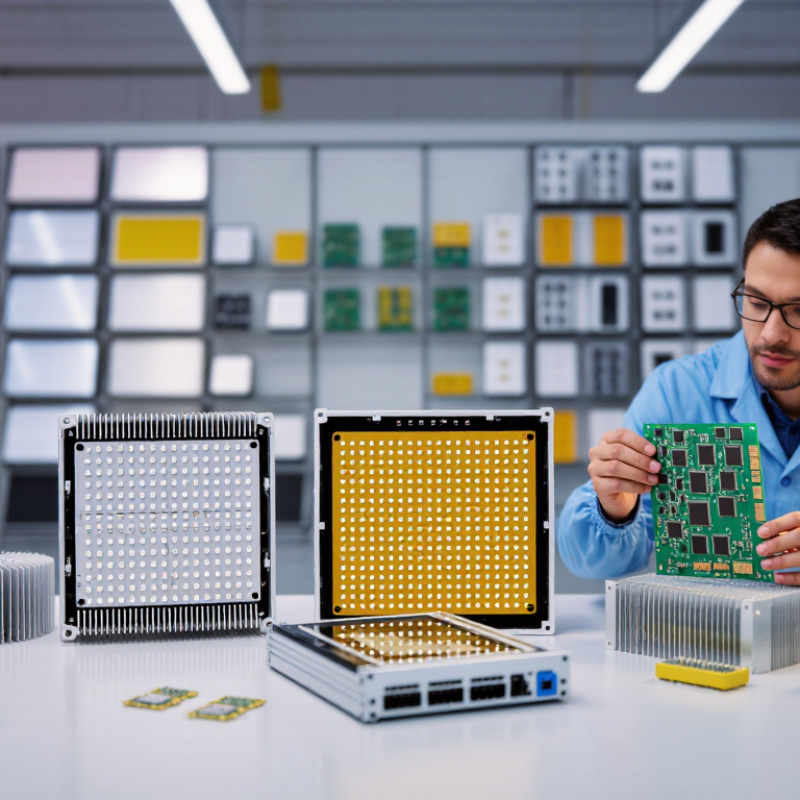
China’s LED system suppliers differ in more than quoted price. Some focus on display panels, while others provide controllers, processors, cabinets, and installation guidance. For global buyers, the useful comparison is how these parts work together. Ask for cabinet drawings, connection diagrams, and a written list of included components. Details matter.
Product specifications need practical checks. Compare pixel pitch, brightness, refresh rate, power use, and service access under the conditions your project requires. Request test reports and sample images, but check how measurements were taken. A bright figure on paper may not reflect performance in a sunlit venue. A sample cabinet can reveal cable routing, finish quality, and how quickly a module can be replaced.
Export support also varies. Confirm who handles packing, shipping documents, spare parts, and technical questions after delivery. Ask for a realistic response time and clear warranty terms. Confirm that electrical requirements and documentation match the destination market. A supplier may communicate well before payment, then respond more slowly during commissioning. That possibility deserves attention. No comparison is perfect, so record unanswered questions alongside each supplier’s strengths.
How to Select a Supplier for Your Project and Market
Supplier selection should start with the project, not a factory’s product catalogue. Define lumen output, beam angle, color temperature, dimming protocol, operating hours, and ambient temperature before requesting quotations. Compare photometric files, driver specifications, warranty exclusions, and production tolerances—not just unit price. Ask for LM-80 data and a TM-21 lifetime projection for the LED package, plus batch inspection records. These documents help test claims, but they cannot guarantee identical field performance. Check whether samples match production and confirm voltage and control compatibility for the destination market. A showroom sample tells little.
Thermal design deserves close attention: a sealed fixture above a hot shop floor behaves differently from an open office luminaire. The U.S. Department of Energy’s 2019 Energy Savings Forecast of Solid-State Lighting projected 569 TWh in annual U.S. electricity savings by 2035 under wider LED adoption. That is a projection, not a promise for one project. Model savings using your own operating hours, tariffs, and maintenance costs. DOE Energy Saver guidance also says LED bulbs use at least 75% less energy than incandescent bulbs; treat that as a reference point, not a guarantee for every fixture. Request a pilot batch and test it with the actual dimmer and mounting surface. One awkward truth: a good datasheet can still hide uneven color between batches. Agree on color tolerances, repeat-order checks, and replacement procedures in writing. Lead times matter too.